








The student design of the shopping center was created as part of the "Gallery of the Future" project organized by JSPS in partnership with the Architecture Department of Bialystok University of Technology and Alfa Shopping Center. The authors of the project are: Anita Cieślak and Jakub Brojek. The project was created under the supervision of the supervisor, M.Sc. arch. Katarzyna Matyszewska-Fuszary.
Student project of the shopping center of the future by Anita Cieślak and Jakub Brojek
©Anita Cieślak ©Jakub Brojek
futuristic visions
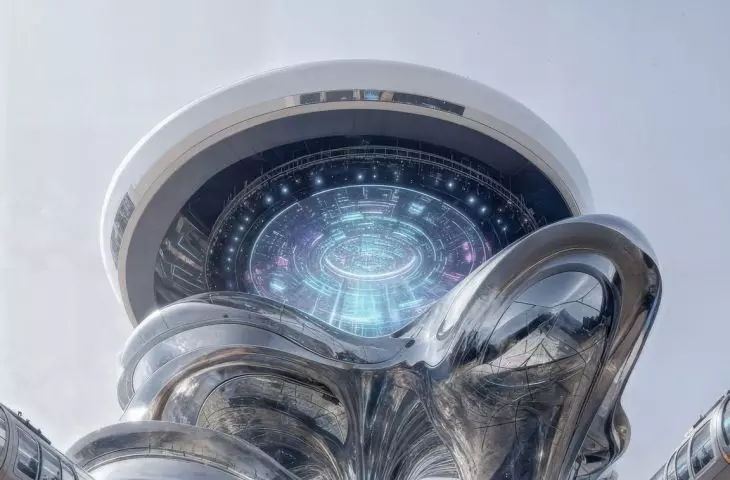
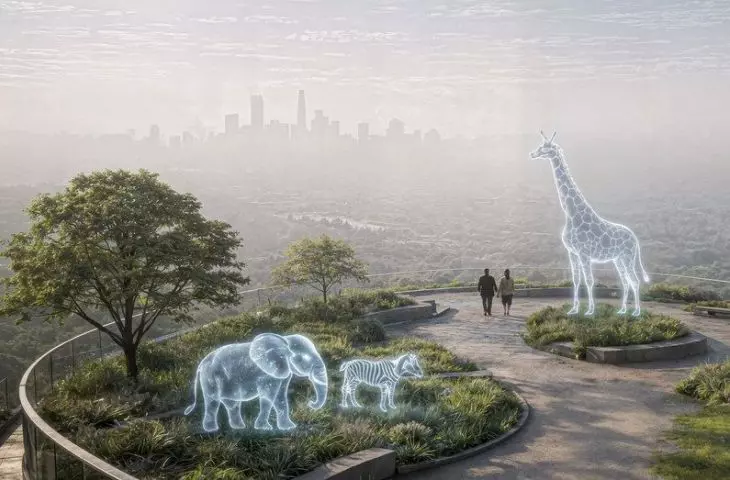
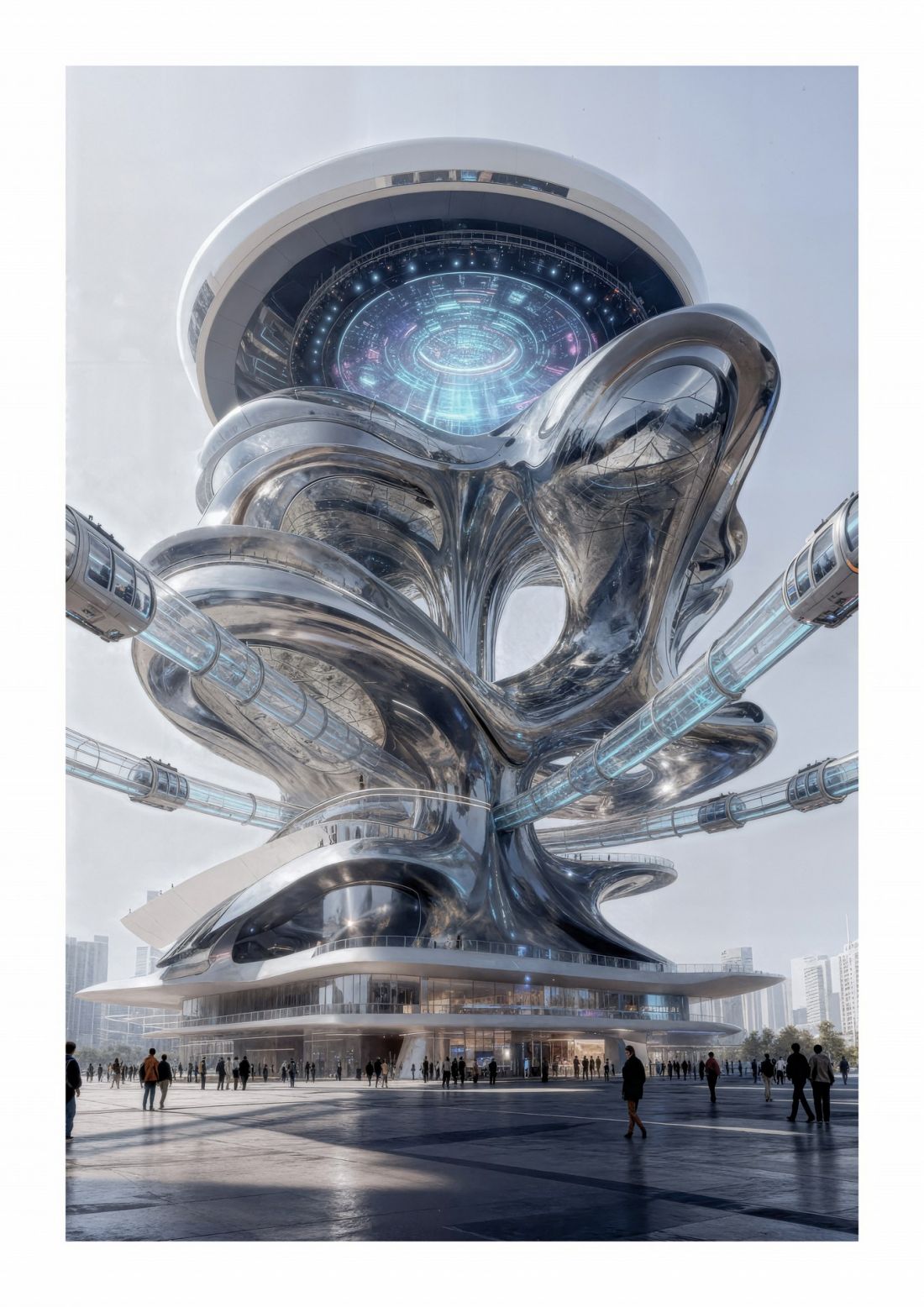
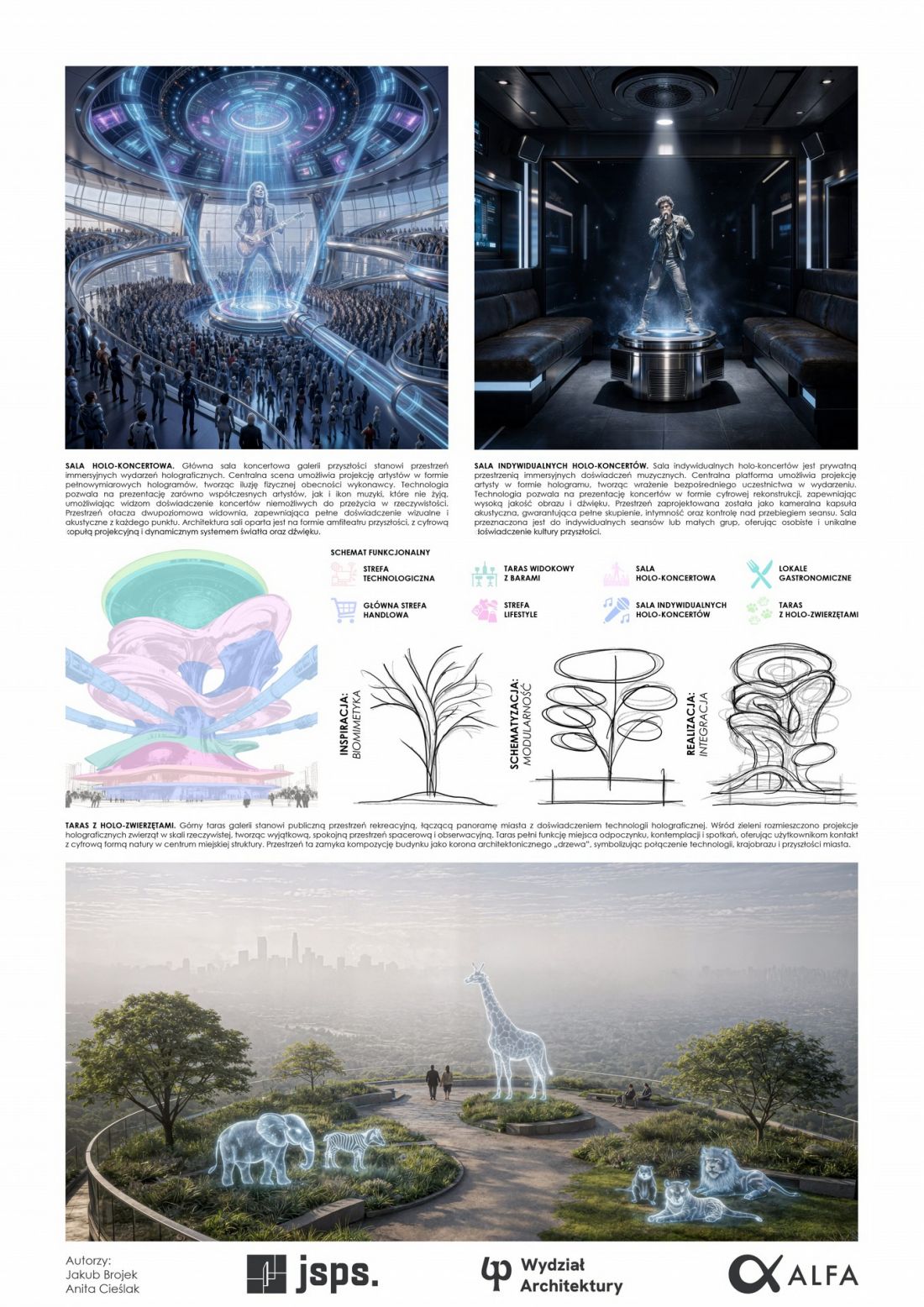
The shopping center would be located in the heart of Bialystok. Its form is inspired by the structure of a tree. The base is to be a place intended for commerce, while the "crown" is to play a cultural and entertainment role. The gallery is to include a food and beverage area, stores, halls, private halls and concert halls that are immersive spaces focused on presenting full-size holograms, and digital display rooms. In addition, an observation deck with holo-animals is designed on the roof of the building.
Student design of the mall of the future by Anita Cieślak and Jakub Brojek
©Anita Cieślak ©Jakub Brojek
communication grid of the future
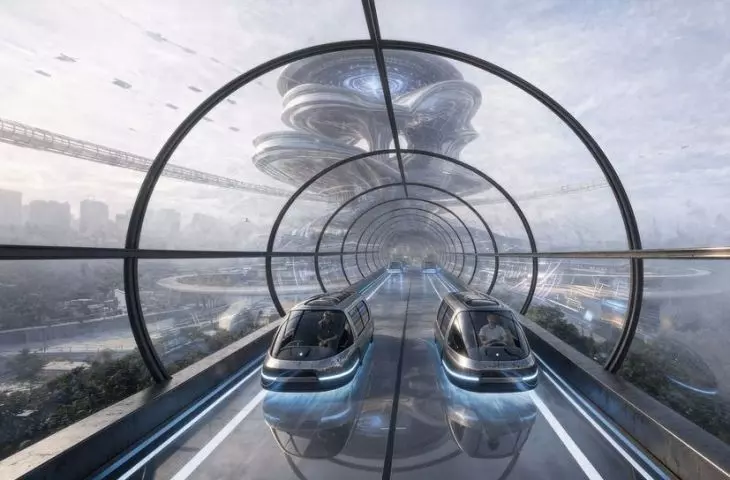
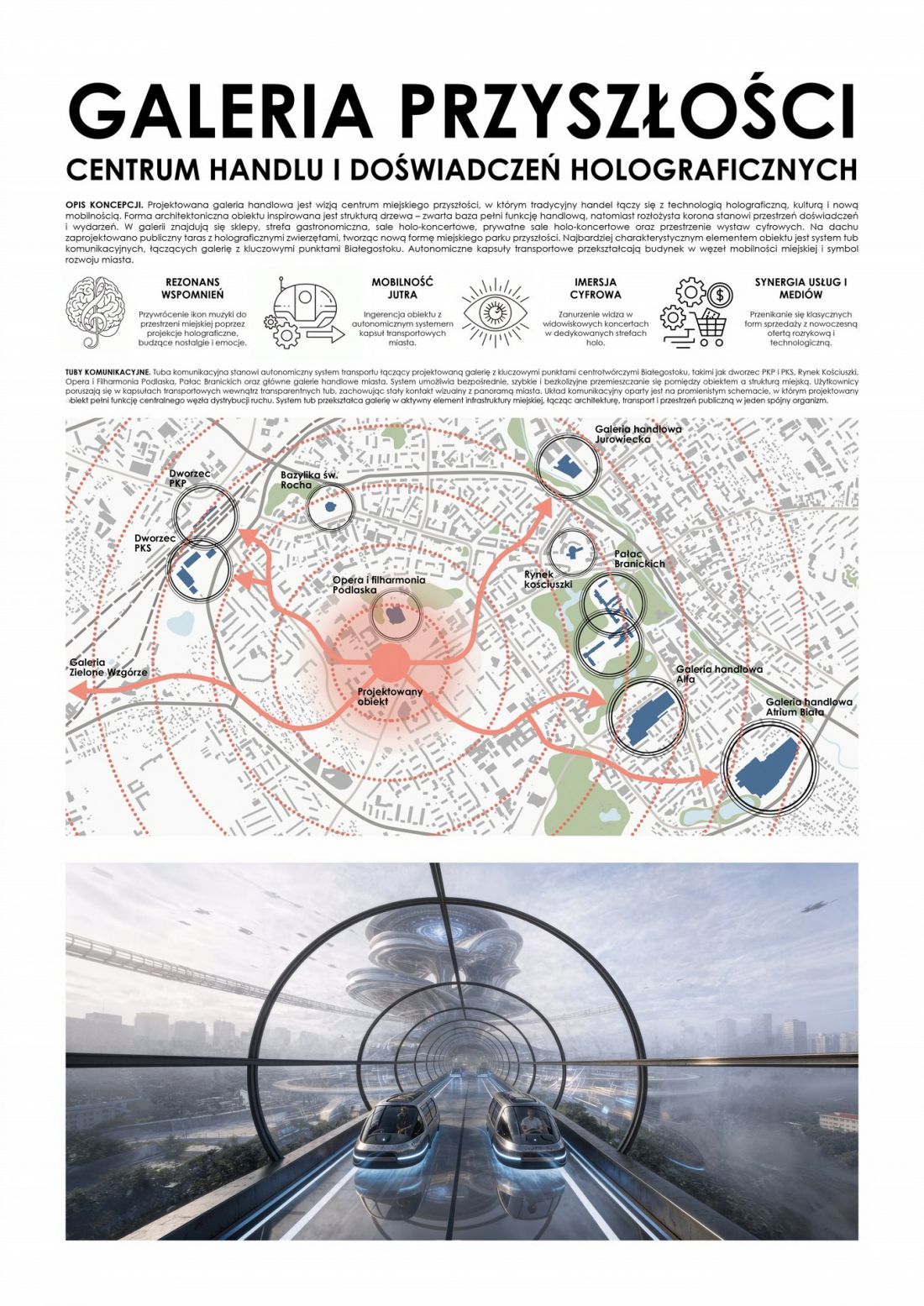
A system of communication tubes is to be attached to the mall, connecting it to key points on the map of Bialystok. "The autonomous transport capsules will transform the building into a hub of urban mobility and a symbol of the city's development. The places to which the transport tubes are to lead are the railway and bus stations, Kosciuszko Square, the Podlasie Opera House and Philharmonic, Branicki Palace and the most important shopping malls within the city.
Student design of the shopping center of the future by Anita Cieślak and Jakub Brojek
©Anita Cieślak ©Jakub Brojek
ideas and goals
The project aims to envision what architecture might look like in the future. Futuristic visions include optimization of space and the way of communication between the most important places in the city. The introduction of spaces designed for holographic projections represents an opening to the progressive social changes and new media increasingly appearing in the arts. Holo-concert halls (including private ones) are created to restore the memory of artists whom the public, for various reasons, could not admire in reality on stage. The public ones are based on the form of an amphitheater and have a two-story auditorium. The private ones, on the other hand, are intimate acoustic capsules that guarantee full concentration and control over the course of the screening. Here, classic forms of sales are to intermingle with entertainment and technological offerings.
does the future have to be holographic?
The holographic mall project is certainly very bold, but it also provokes reflections on the future. After all, we already face light pollution, challenges posed to us by AI and ubiquitous advertising. Doomscrolling, or compulsive exposure to stimuli, occurs in representatives of virtually every generation. In addition, the aspect of hologram-like, sometimes posthumous, appearances can cause controversy over ethical and moral issues. On the one hand, we can expect these phenomena to proceed, on the other - does the future have to be hologram-like?